
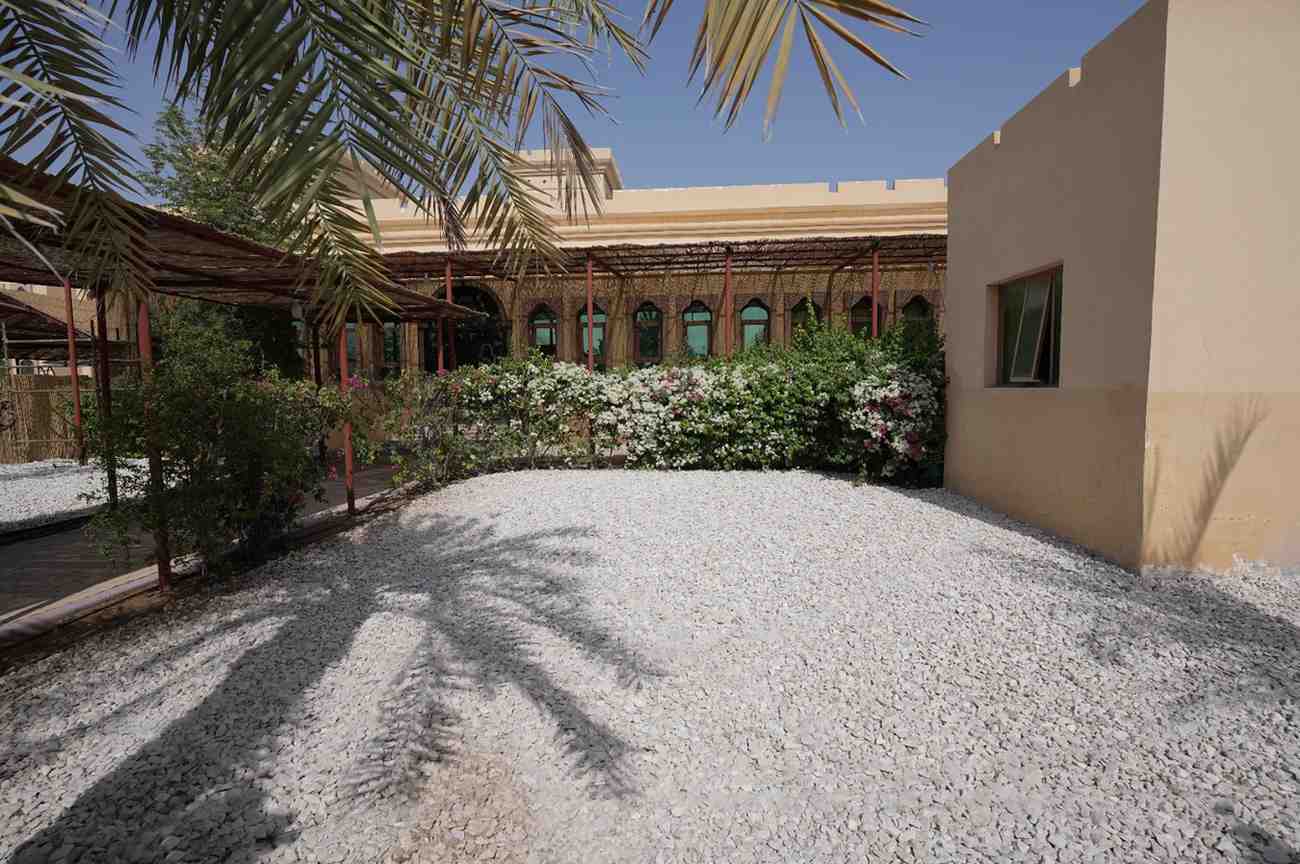
A well-designed garden is more than just a collection of plants; it’s a personal sanctuary, an artistic expression, and an extension of your living space. Whether you’re designing a small backyard retreat or a sprawling landscape, garden design combines creativity, functionality, and nature to create an environment that uplifts and inspires. From choosing the right plants to planning the layout, every element plays a crucial role in transforming an ordinary yard into a breathtaking outdoor haven.
Understanding Garden Design
Garden design is the process of planning and arranging outdoor spaces to achieve harmony, beauty, and balance. It involves integrating plants, structures, textures, and colors to create a cohesive environment. A professional garden designer or landscape architect considers factors such as soil type, climate, lighting, and space usage before crafting a personalized plan.
Good garden design doesn’t just focus on appearance; it also enhances the ecological health of your property. Well-planned gardens can improve air quality, promote biodiversity, reduce erosion, and even increase your property’s value.
The Importance of Garden Design for Homes
Home gardens are no longer just patches of greenery; they have evolved into multifunctional outdoor living areas. A thoughtful garden design for home can serve as a peaceful retreat, an entertaining space, or even a productive area for growing herbs and vegetables.
1. Enhances Aesthetic Appeal
A well-planned home garden enhances your property’s curb appeal and creates a welcoming first impression. Through careful plant selection, creative use of textures, and artistic arrangement, your outdoor space can become as visually captivating as your home’s interior.
2. Promotes Health and Well-being
Spending time in nature reduces stress, boosts mood, and promotes relaxation. Having a beautiful garden right outside your door allows you to reconnect with nature daily — an essential benefit in today’s fast-paced world.
3. Increases Property Value
Real estate experts agree that quality landscaping can increase a property’s value by up to 20%. A thoughtfully designed home garden is not just an aesthetic choice but a wise investment in your home’s future.
4. Supports Sustainability
With eco-friendly design principles, home gardens can contribute to sustainability. Native plants, rainwater harvesting systems, and organic gardening methods can reduce your environmental footprint while creating a thriving outdoor ecosystem.
Key Elements of a Beautiful Garden Design
Designing a garden requires a balance between creativity and practicality. Whether you prefer a minimalist modern look or a lush tropical paradise, these key elements form the foundation of great garden design:
1. Layout and Structure
The first step in garden design is deciding on the layout. Divide your outdoor space into zones — such as seating areas, pathways, planting beds, and decorative features. Pathways and focal points (like water fountains, sculptures, or pergolas) help create structure and flow.
2. Plant Selection
Choosing the right plants is crucial. Consider your climate, soil type, and sunlight exposure. A mix of shrubs, perennials, climbers, and seasonal flowers adds visual depth and year-round interest. Group plants with similar water and light needs to make maintenance easier.
3. Color Palette and Texture
A balanced color palette sets the tone for your garden. Green provides the base, while colorful blooms and foliage add contrast. Texture plays an equally important role — combining smooth leaves, spiky grasses, and rough bark creates visual richness.
4. Lighting
Outdoor lighting extends your garden’s usability after sunset. Soft lighting along pathways, spotlights on trees, and string lights near patios can create a magical ambiance while improving safety.
5. Hardscaping
Hardscaping refers to the non-plant elements — patios, decks, garden walls, stepping stones, and furniture. These features give definition and functionality to your garden, blending the built environment with nature.
6. Water Features
Adding a pond, small fountain, or birdbath can elevate your garden’s tranquility. The gentle sound of water creates a soothing atmosphere and attracts wildlife such as birds and butterflies.
Garden Design for Different Home Styles
Each home style pairs beautifully with a particular garden design approach.
- Modern Homes: Opt for clean lines, geometric shapes, and minimalist plant arrangements. Use materials like concrete, metal, and gravel for a contemporary look.
- Traditional Homes: Classic gardens often feature symmetrical layouts, hedges, and flower beds with roses, lavender, or hydrangeas.
- Cottage Homes: A mix of wildflowers, stone paths, and vintage furniture creates a charming, storybook aesthetic.
- Urban Homes: For small spaces or balconies, container gardening and vertical planting make efficient use of space without sacrificing greenery.
- Tropical Homes: Lush palms, bamboo, and large-leaf plants add an exotic touch, complemented by natural wood furniture and vibrant flowers.
Outdoor Planting: Bringing Nature to Life
Outdoor planting is the heart of garden design. It involves more than just placing plants in soil; it’s about curating a living landscape that evolves with the seasons. Here’s how to make your outdoor planting truly flourish:
1. Plan According to Climate
Choose plants suited to your local climate. Native plants thrive naturally, require less maintenance, and attract local pollinators.
2. Layer Your Planting
Arrange plants in layers, tall trees and shrubs at the back, mid-height plants in the middle, and low-growing flowers in front. This adds depth and structure to your garden.
3. Seasonal Interest
Select a combination of plants that bloom in different seasons. This ensures your garden remains colorful and vibrant throughout the year.
4. Soil Preparation
Healthy soil is the foundation of a thriving garden. Mix organic compost into soil to improve fertility and drainage before planting.
5. Sustainable Gardening Practices
Incorporate mulching, drip irrigation, and organic fertilizers to conserve water and promote healthy plant growth.
6. Wildlife-Friendly Planting
Include flowering plants that attract bees, butterflies, and birds. Creating small habitats, like log piles or bird feeders, further enriches biodiversity.
Small Garden Design Ideas
Even with limited space, you can still create a stunning garden decor. Some space-saving garden design ideas include:
- Vertical gardens with wall-mounted planters or trellises.
- Container gardens using pots of varying heights and colors.
- Compact seating areas with foldable furniture.
- Mirrors or reflective surfaces to create the illusion of space.
- Multi-functional structures like raised beds that double as seating.
Maintaining Your Garden
A beautifully designed garden requires regular maintenance. Pruning, watering, fertilizing, and pest control are essential to keep your plants healthy. Automated irrigation systems and low-maintenance native plants can help minimize effort while maintaining beauty year-round.
Transform Your Outdoor Space with The Gardenian
If you’re dreaming of a garden that perfectly blends beauty, functionality, and sustainability, The Gardenian is your trusted partner in garden design and outdoor planting. With expertise in creating bespoke gardens for homes of all styles, The Gardenian turns your outdoor vision into a stunning reality, where every corner blooms with creativity and care.
FAQs
1. How do I start designing my garden at home?
Begin by assessing your space, noting sunlight, soil type, and existing structures. Sketch a basic layout and decide on focal points before choosing plants that suit your climate and lifestyle.
2. What are the best plants for outdoor gardens?
It depends on your region, but popular choices include roses, lavender, hydrangeas, ferns, hostas, and ornamental grasses. Always consider sunlight and water needs.
3. How can I make my small garden look larger?
Use light colors, mirrors, vertical planting, and layered landscaping to create depth and openness. Avoid overcrowding plants.
4. How often should I maintain my garden?
Routine maintenance, such as watering, weeding, and pruning, should be done weekly. Seasonal care, such as fertilizing or replanting, can be scheduled a few times a year.
