
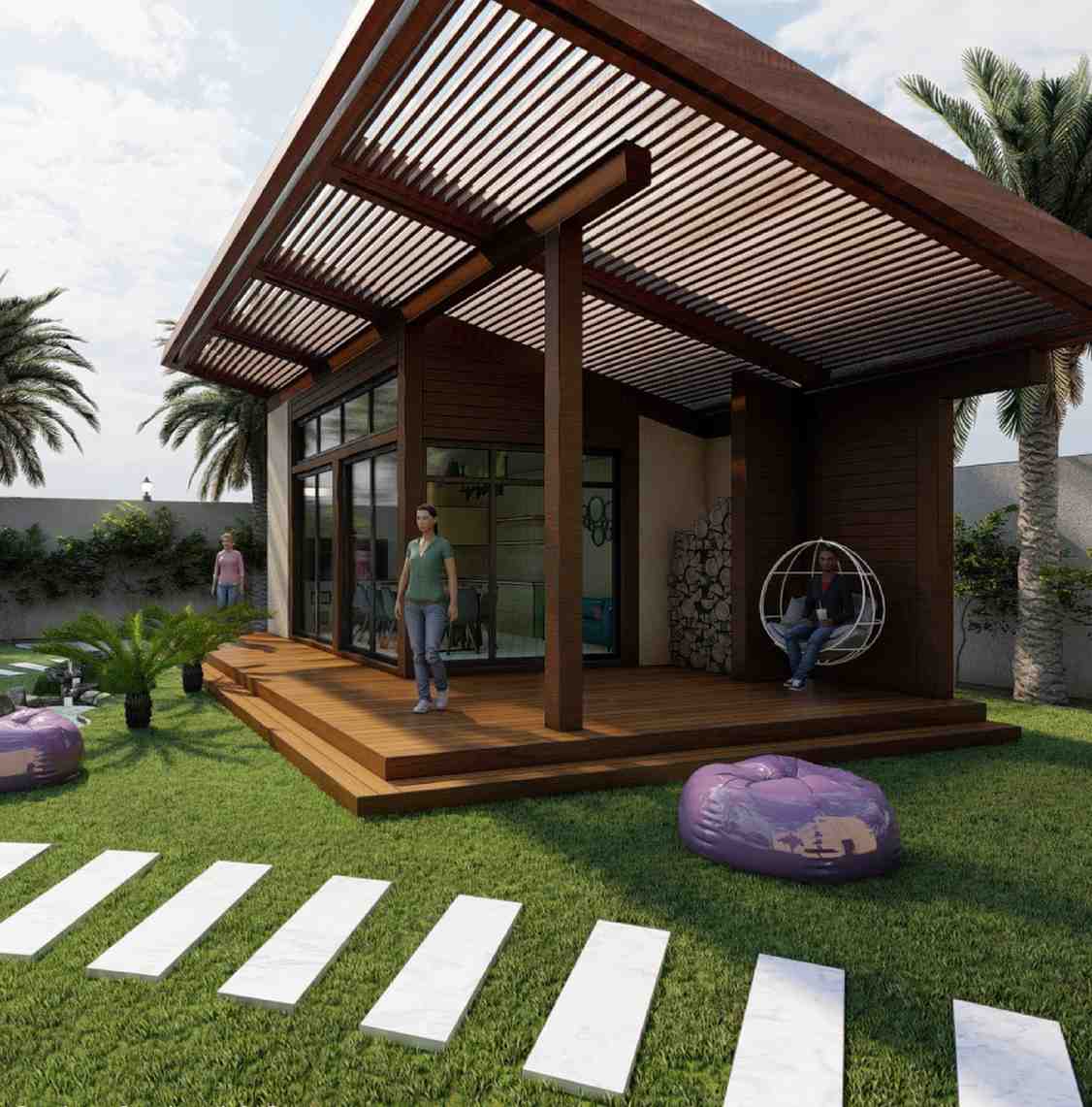
In a world where outdoor spaces have become an extension of our lifestyle, future-ready landscape design is more important than ever. Homeowners are no longer satisfied with basic lawns or scattered plantings; they want immersive outdoor environments that blend aesthetics, sustainability, technology, and functionality. This shift has led to a growing demand for three key pillars of modern landscaping: garden design for the home, master plan garden design, and innovative work by professional water feature designers.
Whether you are upgrading a small backyard, planning a multi-acre estate, or integrating high-end water features, the future of landscaping is about creating spaces that evolve with people and nature.
The New Era of Garden Design for Home
Home gardens are no longer simple green corners; they are becoming personalized, experience-driven environments. Modern garden design for home focuses on creating landscapes that reflect lifestyle needs, relaxation zones, wellness areas, outdoor kitchens, meditation nooks, and entertainment patios. The goal is to design outdoor spaces that feel like an extension of the home’s architecture, enhancing both functionality and emotional well-being.
1. Personalized Outdoor Living
Future-ready home gardens adopt a tailored approach, ensuring the garden resonates with the client’s personality. Minimalist Zen gardens, lush tropical designs, European courtyard styles, or native xeriscapes, each style is chosen based on lifestyle and maintenance preference.
2. Smart Gardening Technologies
Automation is becoming standard. Weather-responsive irrigation, smart lighting systems, plant sensors, and robotic lawn equipment are now part of modern home landscapes. These technologies help homeowners save water, reduce labor, and maintain a beautiful garden effortlessly.
3. Climate-Responsive Design
Sustainable landscaping is a major trend. Designers prioritize drought-tolerant species, microclimates, rainwater harvesting, and low-maintenance plant selections. With rising temperatures and unpredictable weather patterns, resilient garden design is no longer optional—it’s essential.
4. Multi-Sensory Garden Elements
Home gardens today incorporate sound, fragrance, color, and texture. Aromatic herbs near pathways, rustling grasses, and edible gardens create a multi-sensory experience that calms and energizes simultaneously.
Master Plan Garden Design: Creating Cohesive, Long-Term Landscapes
While home garden design focuses on personal spaces, master plan garden design addresses large-scale, long-term, and comprehensive outdoor development. It is a strategic blueprint that brings structure and harmony, and ensures every element—from pathways to planting beds—works together cohesively.
A master plan is essential for estates, resorts, villas, community landscapes, and new residential developments. It outlines the full vision, allowing phased construction without compromising the overall concept.
1. Spatial Zoning & Functional Layouts
Designers begin by dividing the property into functional zones—entrance gardens, recreational lawns, kitchen garden areas, water bodies, service zones, and private retreat corners. This ensures ease of movement, visual balance, and maximum usability.
2. Long-Term Planting Strategy
Master planning accounts for plant maturity. Trees, shrubs, hedges, and flower beds are placed considering how they will grow in 5, 10, or 20 years. This future-focused approach prevents overcrowding, enhances shade patterns, and maintains visibility lines.
3. Infrastructure Integration
An effective master plan garden design incorporates irrigation networks, drainage, lighting, utility access, and structural foundations right from the start. This saves significant cost and redesign effort later.
4. Sustainability at the Core
Green infrastructure elements like rain gardens, bioswales, permeable pavements, and native planting corridors are part of future-ready master planning. These features promote ecology, help with stormwater management, and increase biodiversity.
Water Feature Designers: Elevating Outdoor Spaces with Art & Engineering
One of the most compelling elements in modern landscapes is water. As homeowners seek luxury, tranquility, and sensory depth, the role of water feature designers has become central in future-ready landscaping.
A well-designed water feature doesn’t just beautify a space—it transforms it. Many designers now combine traditional craftsmanship with advanced engineering to deliver innovative water experiences.
1. Modern Water Feature Trends
From disappearing waterfalls and sculptural fountains to naturalistic streams and koi ponds, water features are becoming more artistic and technologically advanced. LED lighting, sound-control systems, and energy-efficient pumps enhance both aesthetics and sustainability.
2. Integrating Ecosystem-Based Water Features
Bio-filtered ponds, wetland pools, and eco-friendly cascades use natural processes to keep water clean. These designs mimic nature and create habitats for birds, butterflies, and aquatic life.
3. Wellness-Focused Water Design
Studies show that flowing water reduces stress and improves mental clarity. Designers now create meditative water walls, reflecting pools, and bubbling stone features specifically for wellness areas within the garden.
4. Low-Maintenance Innovation
Today’s water feature designers prioritize easy maintenance through smart filtration systems, algae-resistant materials, and automated water levels. This ensures beauty without constant upkeep.
A Harmonious Blend: The Future of Outdoor Living
When garden design for home, master plan garden design, and the creativity of water feature designers come together, landscapes become more than decorative—they become experiential. The future of landscaping lies in blending nature with technology, design with ecology, and luxury with sustainability.
Homeowners are embracing outdoor living like never before, and designers are responding with solutions that are intelligent, scalable, and breathtakingly beautiful. Whether it’s a cozy home garden, a long-term master plan, or a serene water installation, future-ready landscape design turns outdoor spaces into transformative environments that enrich daily life.
Ready to Transform Your Outdoor Space? Choose The Gardenian!
At The Gardenian, we specialize in crafting stunning landscapes that combine creativity, sustainability, and technical excellence. From bespoke garden decor to comprehensive master plan garden design and innovative water features crafted by expert water feature designers, we turn your vision into a living masterpiece.
Why Choose The Gardenian?
Expertise in modern, sustainable landscape design
- Customized garden solutions for homes & estates
- High-end water feature design and installation
- Attention to detail, quality materials & reliable execution
Contact The Gardenian to bring elegance, innovation, and nature’s beauty into your outdoor space.
FAQs
- What is the first step in garden design for home?
A detailed site analysis helps determine sunlight, soil, and layout possibilities.
- Why is a master plan garden design important?
It provides a long-term, cohesive blueprint that guides phased and efficient development.
- Do water feature designers handle both design and installation?
Yes, most professionals manage the full process, from concept to construction.
- Are modern water features high maintenance?
No, today’s systems use smart pumps and filtration to keep maintenance low.
